Prime Las Cruces Spray Foam InsulationPrime Las Cruces Spray Foam Insulation

Blown-in insulation in Las Cruces, NM - even coverage over a sealed attic floor

Hot rooms upstairs or a power bill that keeps climbing? We seal the attic's gaps first, then blow in insulation to an even depth.

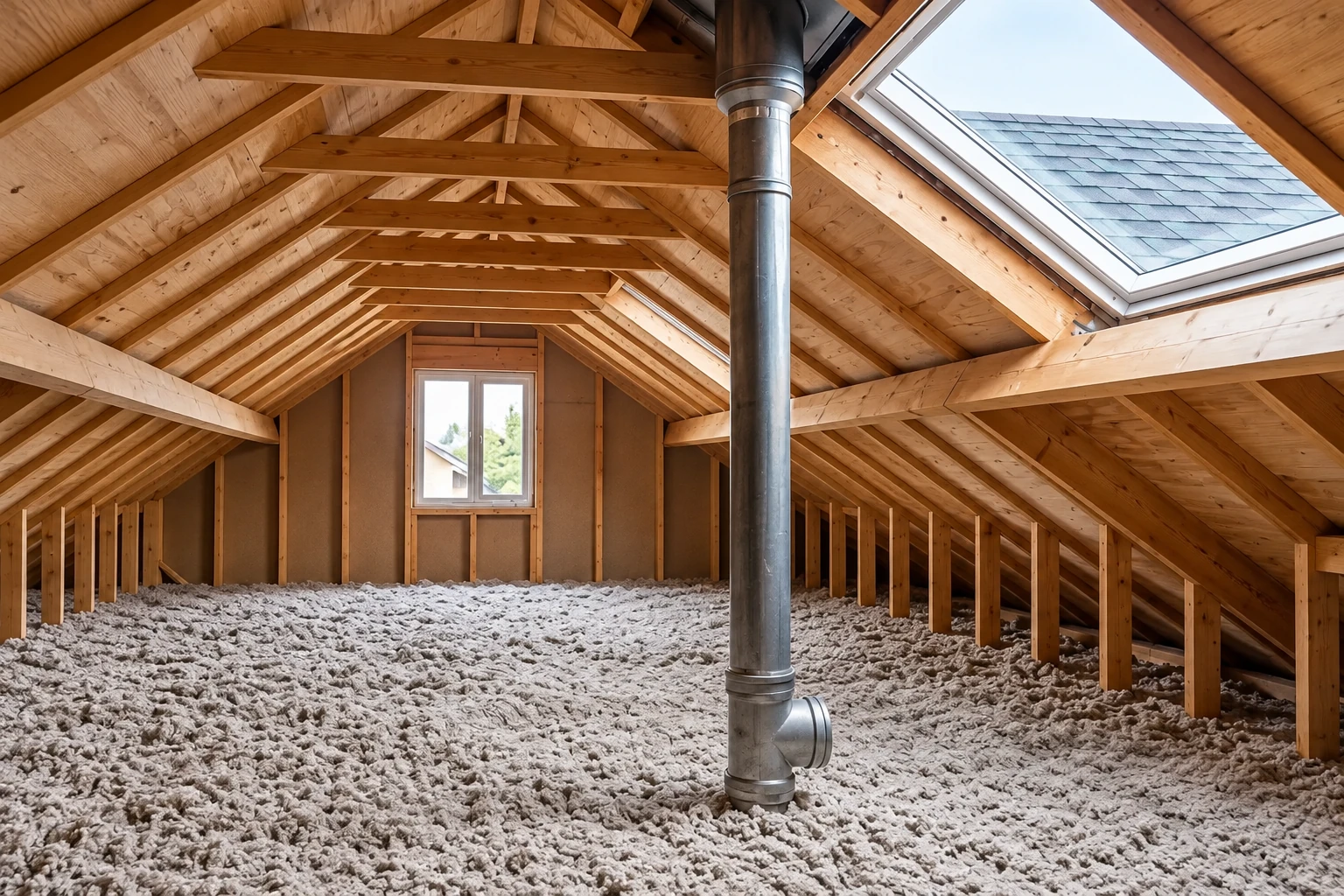
Loose gray blown-in insulation covers an attic floor beneath exposed wooden rafters and a skylight.

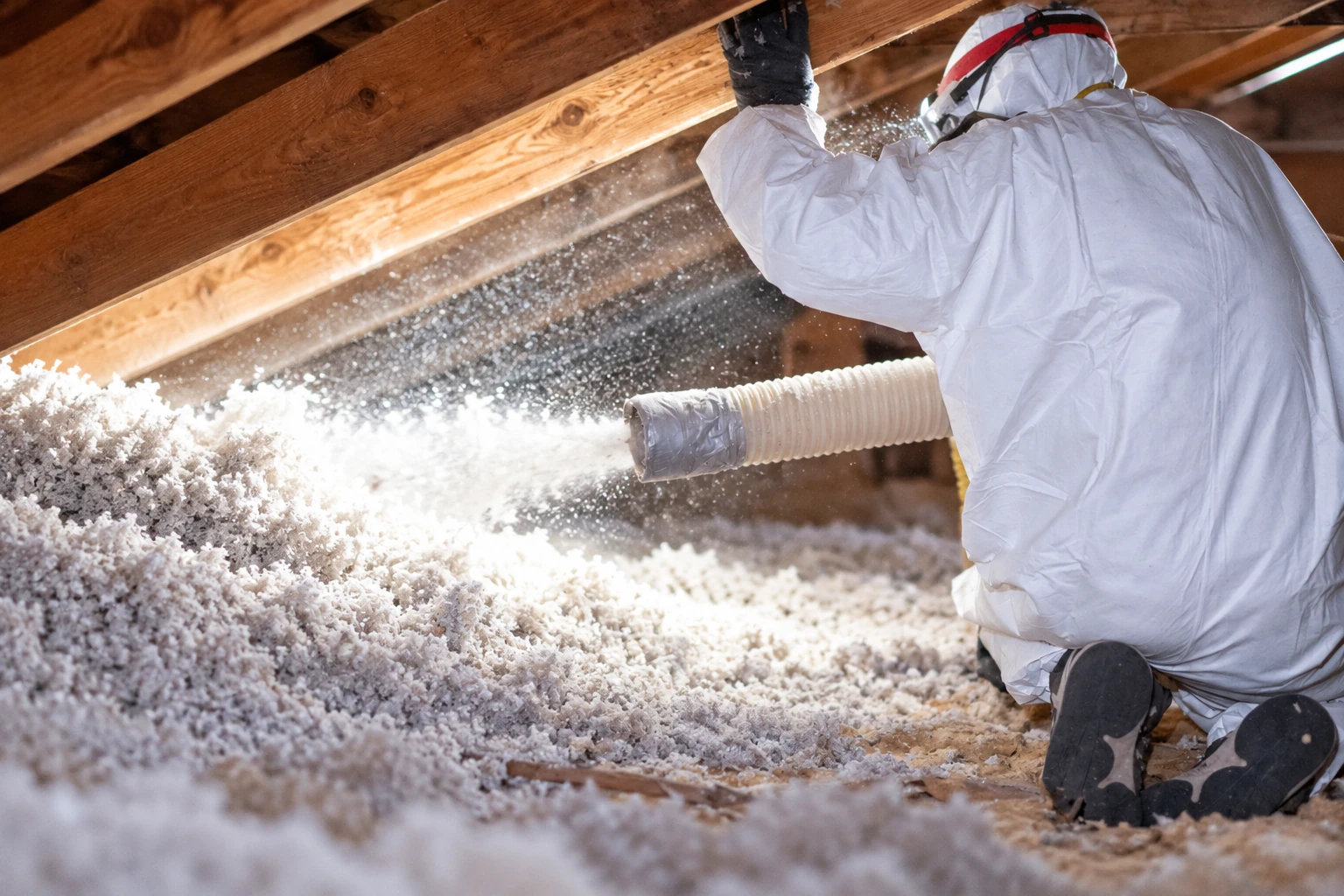
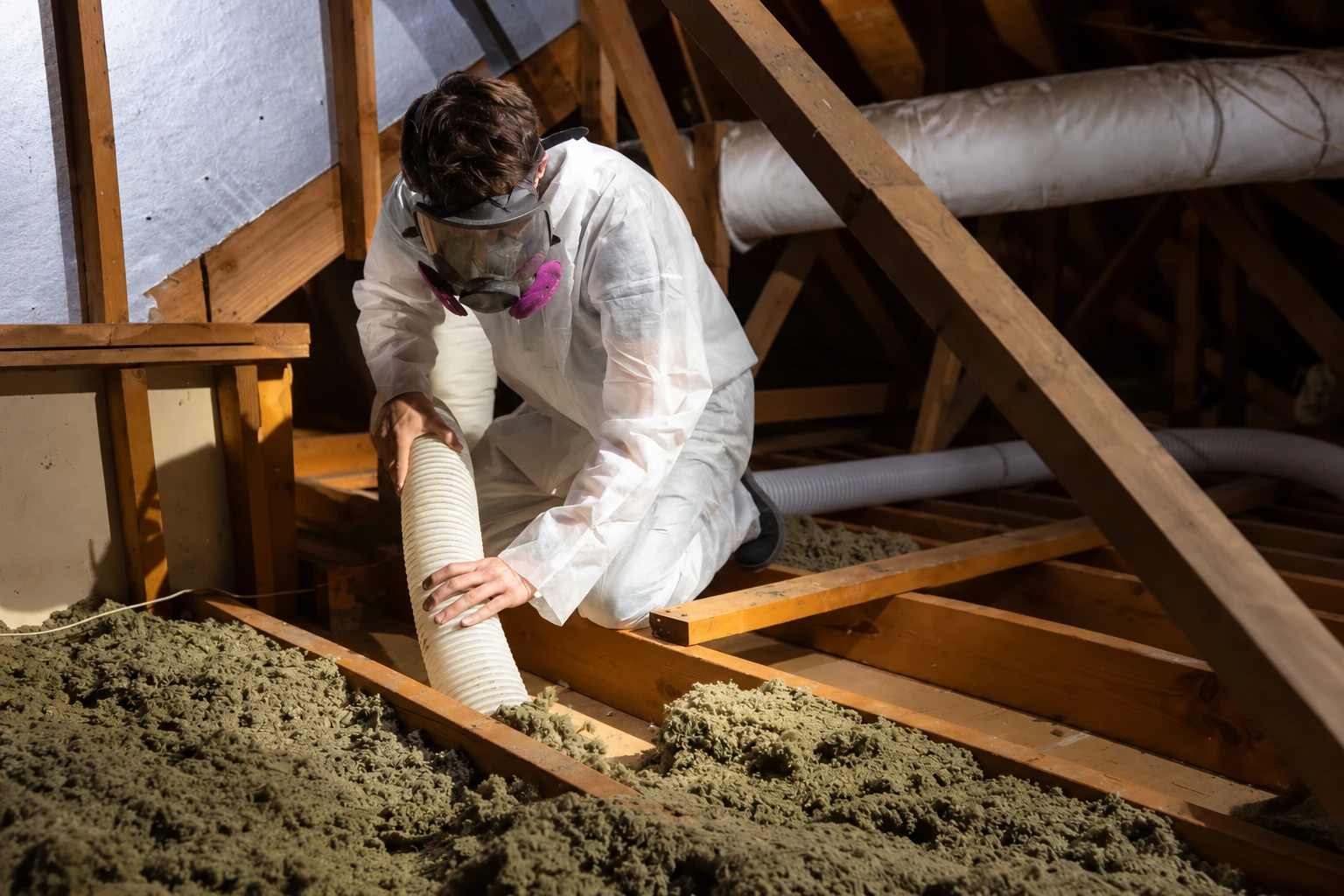
Blown-in insulation is loose cellulose or fiberglass blown through a hose onto your attic floor. For a Las Cruces house with hot rooms upstairs or a high cooling bill, it's usually the simplest way to slow the heat coming down through the ceiling.

Does your Las Cruces attic need more blown-in insulation?

Most of the calls we get at Prime Las Cruces Spray Foam Insulation start the same way. A bedroom upstairs or the room over the garage won't cool down, the power bill keeps climbing, and nobody has looked in the attic for years. More insulation helps, but only once the attic is ready for it, so the first job is finding out what's up there now.

The price moves with the size of the attic, the inches already up there, the material you pick, how many gaps need sealing and whether old insulation has to come out. The schedule turns mostly on repairs that come first, like a roof leak or old wiring, and on a permit if one is needed. Your written estimate shows your own figure, step by step.

What we check before any insulation goes in

Most blown-in jobs that go wrong go wrong before the hose comes out. These are the things I look for in the attic first, because each one changes what we do.

Old insulation that's wet or dirty

If the old layer was soaked by a roof leak or is full of rodent droppings, blowing fresh material on top just buries the problem. The leak gets fixed first, and badly damaged insulation usually comes out, so the new layer starts on a clean, dry attic floor.

Old wiring and vermiculite

Live knob and tube wiring, the old porcelain-and-cloth kind, can't be buried in insulation until an electrician replaces it or it's properly boxed in. If the old fill is vermiculite, a light, pebbly material that may contain asbestos, work stops until that's dealt with. I'd rather tell you that up front than find out mid-job.

Open vents and full edges

Insulation blown in carelessly can bury the vents at the eaves, and then the attic can't breathe and moisture shows up in the framing. It also tends to pile deep in the middle and run thin at the edges, which is backward. We keep the vents clear and get full depth out to the edges.

What happens when you call about blown-in insulation in Las Cruces?

Here's how a job runs from your first call to the final walk-through, and who you'll be dealing with at each step along the way.

  1. 1

    Call or send a request

    Call (575) 222-9021 or use the form. It helps to have your home's age, whether it's a mobile home, where the attic hatch is and any roof leaks you know about.

  2. 2

    Get a written estimate

    I come out myself, look over the attic and write down what I see, including any repairs that need to happen before insulation goes in. You get a written estimate that lays out each step in order.

  3. 3

    We seal, then blow it in

    If the job needs a permit, we take care of it, and the city usually processes residential permits within 0 to 3 business days, so we plan the start around that. Then our crew seals the gaps and blows in the insulation.

  4. 4

    Walk through the finished attic

    I go over the finished work before we pack up, checking the depth out to the edges and making sure the eave vents are clear. You'll know what went in and where.

Request an estimate

How we do blown-in insulation, sealing first

My old boss made me tear out anything that wasn't done right, and the lesson stuck. Insulation laid over a leak, bad wiring or gaps nobody sealed is money thrown away. So air sealing goes into your estimate as its own step. That's closing the gaps where house air slips into the attic around can lights, pipes and the hatch, and you can see it gets done first.

Then we talk about material. Cellulose and fiberglass both blow in loose, but they settle differently over the years and they cost differently, so I go over both with you and we pick the one that suits your attic. If the old layer is too far gone to build on, we'll talk about insulation removal before anything new goes up.

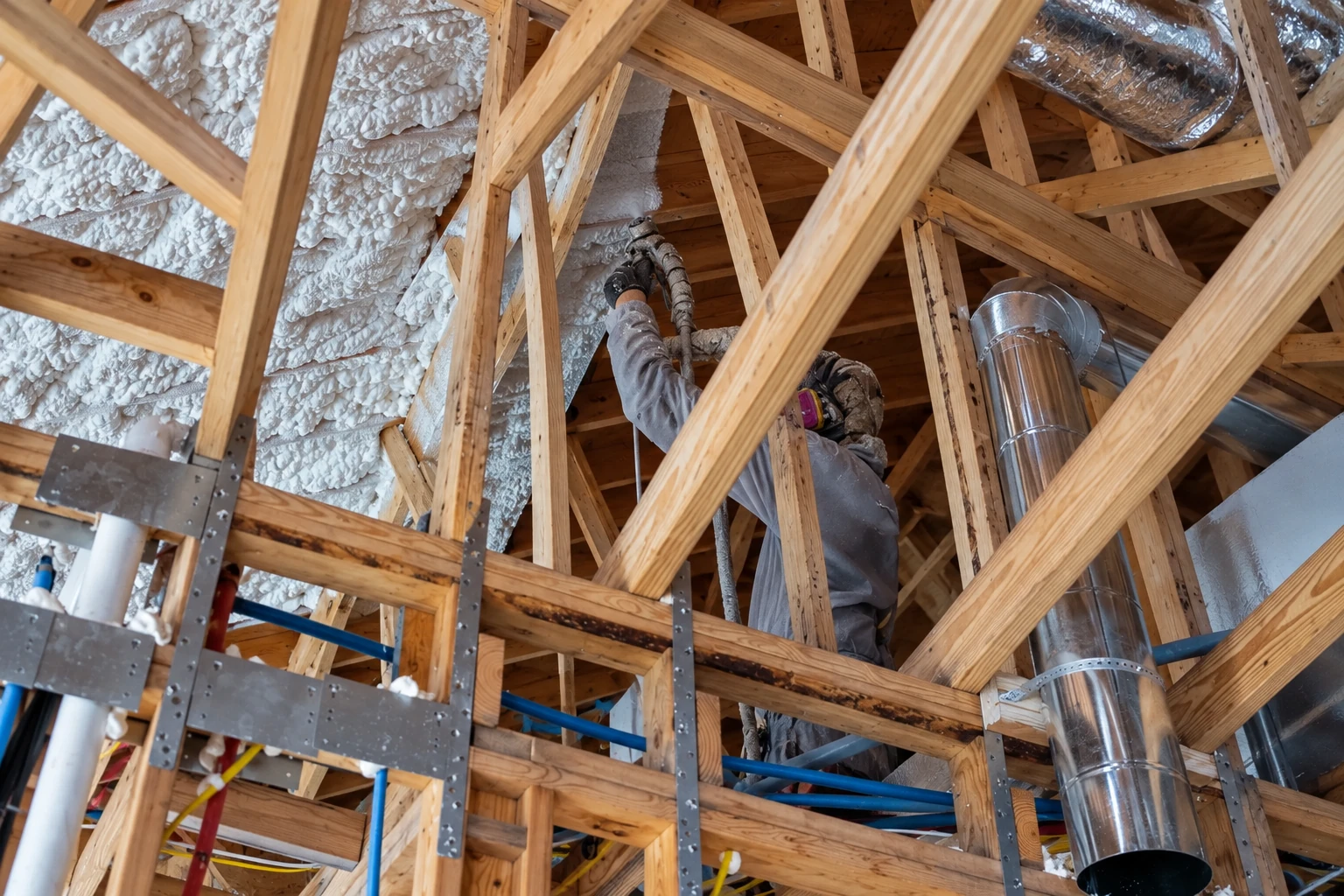
Some people ask about spray foam instead. Foam costs more and seals air while it insulates. For most attics, sealing the gaps and topping up loose fill is the better buy, unless your ductwork runs up there, and then foam is worth a look. If the walls and crawl space are part of the problem too, see how we plan home insulation across the whole house.

Top up what's there

If the old insulation is dry, clean and just thin, we seal the gaps and blow new material over it to bring the whole attic floor to an even depth. It's usually the simpler, cheaper route.

Clear it out and start over

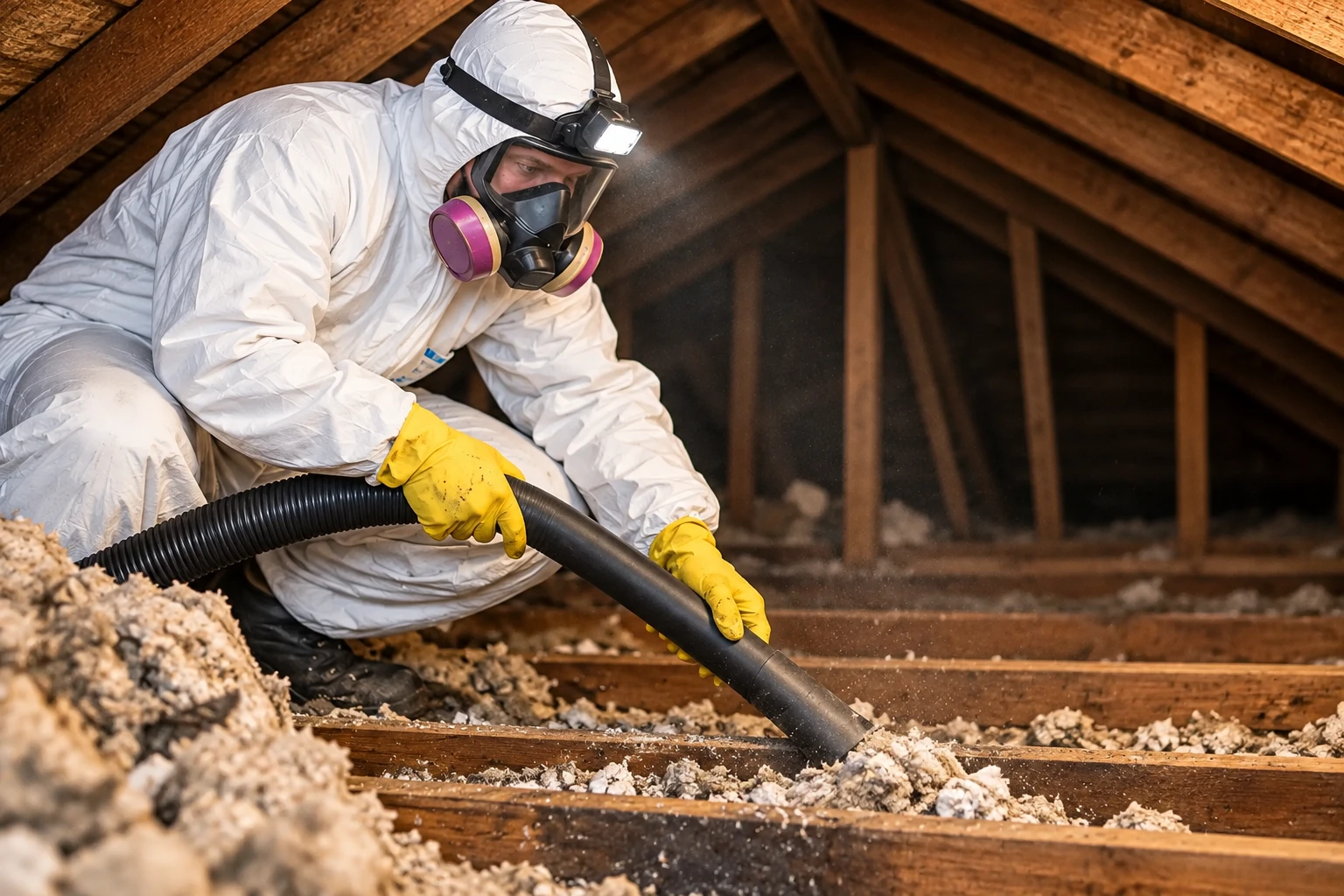
If the old layer is wet, full of droppings or packed down to nothing, it comes out first. It adds a step and some cost, but the new insulation goes onto a clean floor with every gap in view.

Get a written, step-by-step estimate for your attic

Send the form and we'll reply within one business day to set a time for me to come out and look at your attic. The estimate is free, done on site and comes with no obligation.

(575) 222-9021

projects@insulationlascruces.com

Blown-in insulation in Las Cruces and nearby cities

The City of Las Cruces reviews applications for most building projects before it issues a permit, and those applications go in through the city's Citizen Portal. Whether a blown-in attic job needs one isn't something I'll guess at. Before work starts, I check with the office that covers your address, and if a permit is needed we apply, set up the inspections and keep you posted.

Las Cruces is in climate zone 3B under New Mexico's residential energy code. Blown insulation should meet or exceed current code levels, so before you sign with anyone, us included, ask which level your attic will reach for that zone.

Here in Las Cruces and in nearby cities like Chaparral and Anthony, most of our blown-in calls are about hot bedrooms upstairs, rooms over the garage and attics that haven't been opened in years. We're based in Las Cruces, and the work is done the same way wherever the house sits.
Why Las Cruces homeowners call Prime Las Cruces Spray Foam Insulation for blown-in work

I learned this trade under an old-school boss who made me redo anything that wasn't right, and I started this business in 2023 after years on his crews. I do the estimate visit myself. Our crew does the work, and I run each job and check it before we leave, so the person who looked at your attic is the one who signs off on it.

New Mexico's Construction Industries Division requires a license for anyone who does or offers construction contracting, so ask any installer about theirs. We're licensed and insured. Every job is backed by our satisfaction guarantee. When you're ready, call (575) 222-9021 or send us a request and I'll come take a look.

Home insulation

If the attic is only part of why the house runs hot, we can plan the walls, floors and crawl space together so each piece happens in the right order.

Insulation removal

When old insulation is soaked, full of droppings or packed flat, clearing it out gives the new layer a clean, dry start.

Cities where we install blown-in insulation

We're based in Las Cruces, NM and do blown-in attic work across the cities around it, including Chaparral, NM, Anthony, NM and Canutillo, TX. If you're nearby, give us a call and ask.

Blown-in insulation questions from Las Cruces homeowners

How do I know if my attic needs more blown-in insulation?

If the insulation in your attic sits level with the floor joists or below them, you probably need more. Many older homes have little or no insulation up there at all. A quick look through the hatch with a flashlight tells you whether an estimate is worth asking for, and I'll measure the inches already there when I come out.

Is cellulose or fiberglass better for blown-in attic insulation?

Fiberglass keeps its depth better, while cellulose costs less and does more to slow air moving through it. Loose fiberglass settles about 2 to 4 percent over time and cellulose about 10 to 20 percent. Cellulose is heavy, so it isn't recommended for mobile home ceilings, and it breaks down when soaked, so it needs a dry attic.

How much does blown-in insulation cost in Las Cruces?

There's no set price, because every attic starts in a different place, and your figure comes from the written estimate after I've looked. Topping up a dry, clean attic usually costs less than one where old insulation has to come out first or a lot of gaps need sealing. Call (575) 222-9021 to set up a visit.

Can you add blown-in insulation to walls without tearing them open?

Usually, yes, with a method called drill and fill. Small holes go near the top of each wall cavity, from inside or outside, and the space between the studs gets filled with blown-in insulation. It's a common, fairly low-mess way to insulate closed walls, and our wall insulation page covers it in more detail.

Do we have to leave the house while you blow in attic insulation?

Usually not. Spray foam comes with a re-entry time, a wait before anyone goes back inside, but loose fill usually doesn't, and the crew does its work up in the attic. Keep kids and pets away from the hatch and the hose while we're working, and most of the dust stays in the attic.

How long does blown-in insulation take, and how should I get ready?

The blowing is usually the quick part, and the schedule turns on what comes before it, like repairs, air sealing and a permit if one's needed. To get ready, clear a path to the attic hatch, move anything stored right under it and tell us about any roof leaks. If you keep things in the attic, mention it at the estimate.

Call about your attic insulation today

One look at what's up there now tells us whether to top it up or clear it out first, so call (575) 222-9021 or send the form.

(575) 222-9021Request an estimate