Prime Las Cruces Spray Foam InsulationPrime Las Cruces Spray Foam Insulation

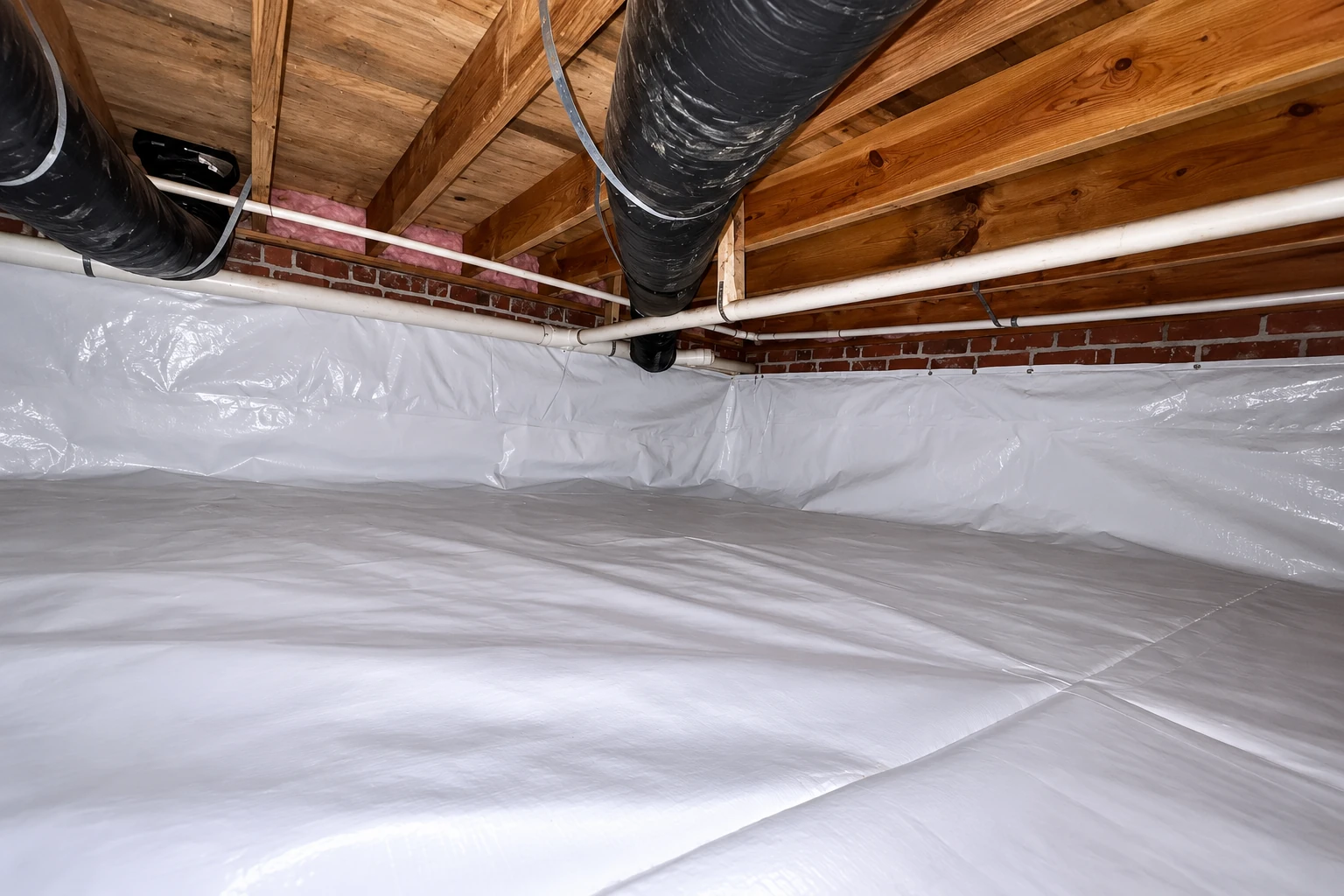
Vapor barrier installation in Las Cruces NM - crawl space dirt covered wall to wall

Torn, bunched or missing plastic under your house lets ground moisture up. We lay a liner that covers all of it and stays put.

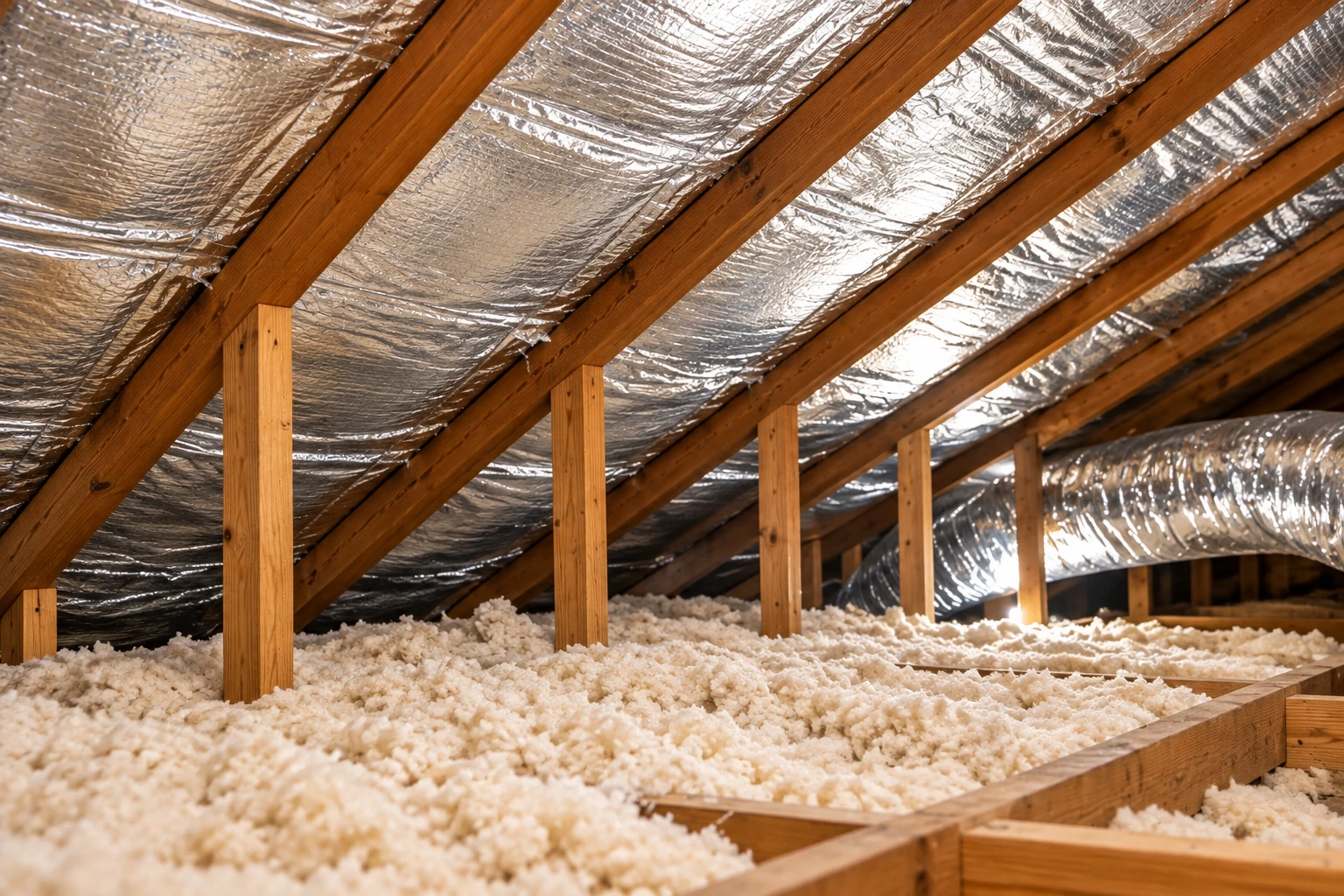
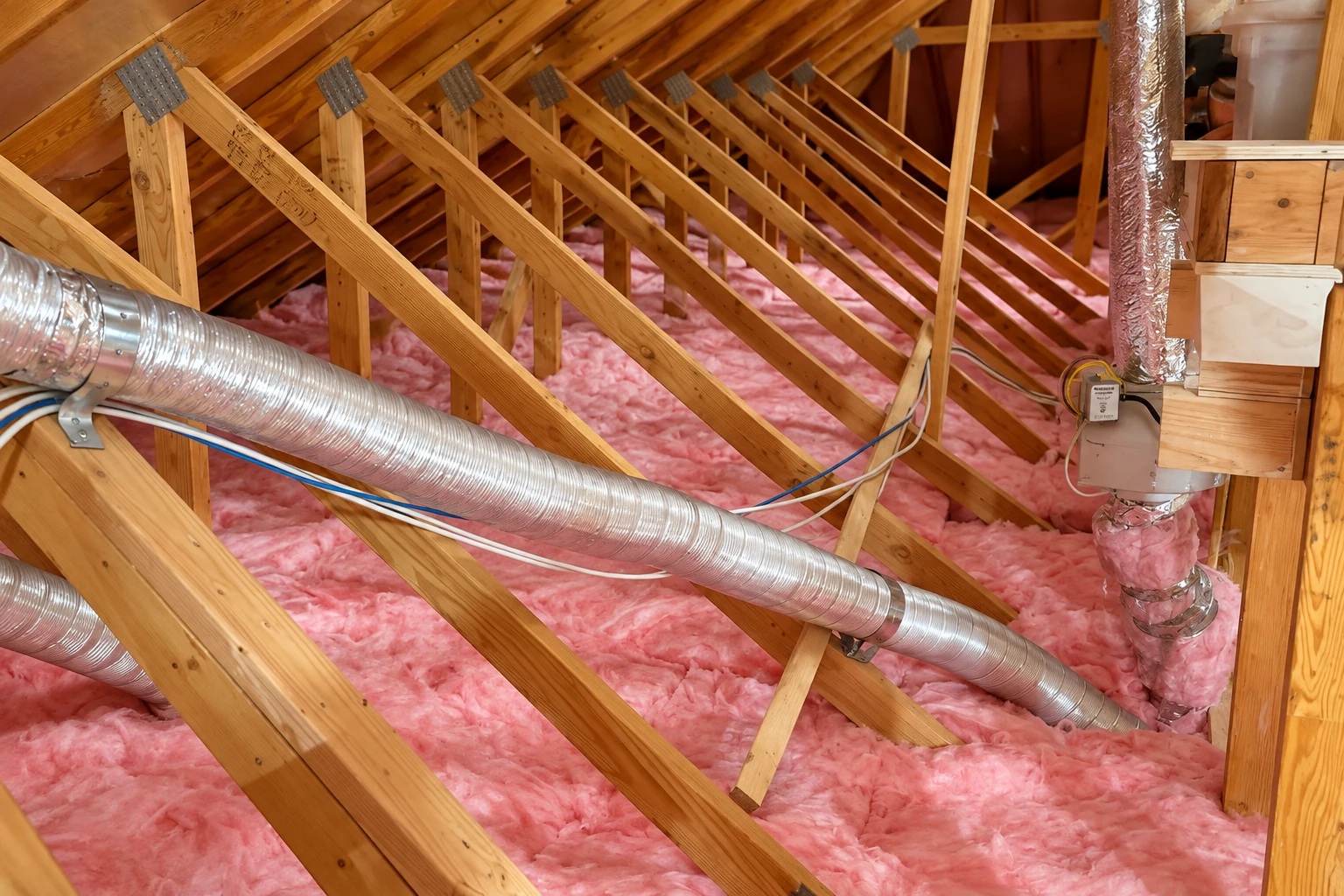
Pink insulation fills an attic beneath wooden rafters, with silver flexible ducts running through it.

Vapor barrier installation in Las Cruces means laying heavy plastic over all the bare dirt in your crawl space, so moisture coming up from the ground stays under the liner and out of the house.

Does your crawl space need a new vapor barrier?

Most people call us about something else, like a hot room or a high power bill, and the crawl space turns out to be the part nobody has looked at in years. Down there we usually find old plastic that's torn, bunched against one wall or missing, with bare dirt between the pieces. At Prime Las Cruces Spray Foam Insulation, I look at all of it before I quote.

The price moves with the size of the crawl space, how hard it is to get in and move around, how much stored stuff and old plastic has to come out, and whether anything needs fixing first. It also depends on whether your crawl space is vented, because that changes how the seams are finished. The schedule mostly turns on those repairs and on any permit.
What I check under the house first

Before we talk about plastic, I look at what's already on the ground under your house. These three things most often have to be handled before a liner goes down.

Old plastic and junk

Stored boxes, scrap lumber and old torn plastic all have to come out, because the new liner needs to lie flat on the ground with nothing under it. If the old plastic is still mostly whole, I'll say so. Pieces that are shredded or packed with dirt come out before we start.

Leaks and wet spots

If I find a dripping pipe, a wet patch or standing water, that gets fixed before any plastic goes down. A liner laid over a leak just hides it, and the water keeps doing damage where you can't see it. I'll write it on the estimate as something that comes first.

Droppings and nests

Mice and other animals like crawl spaces, and they leave droppings and nesting material behind. That mess gets cleaned out before the plastic goes in, and I'll point out any gap they're using to get in, because a fresh liner over a dirty floor keeps the problem right where it was.

What happens after you call about a vapor barrier in Las Cruces?

Here's how a vapor barrier job runs from your first call to the last look before we leave, and who does what along the way.

  1. 1

    Call or send a request

    Call (575) 222-9021 or send the form with your address and what's bothering you, whether that's a damp smell, a high bill or plastic you already know is torn. We'll set a time for me to come out.

  2. 2

    Get a written estimate

    I come out myself, go under the house and write down what I see, including anything that has to be repaired before plastic goes in. Your written estimate lays out every step in the order we'll do it.

  3. 3

    Clear the space, then we work

    Once you've cleared stored things out, our crew lays the liner. If the job needs a permit, we apply for it first and set up the inspections, and the city processes residential permits within 0 to 3 business days.

  4. 4

    Look over the finished liner

    I go over the finished work before we pack up, checking that the ground is fully covered and the edges and seams are held down. Then I'll walk you through what I checked.

Request an estimate

How we install a vapor barrier in your crawl space

Once your stored things are out of the way, we lay plastic over all of the ground, not just the open middle. We carry it up the foundation walls and around each pier, then lap the edges over each other and fasten them so the sheet stays put. Bare dirt left at the edges or beside a pier is where ground moisture slips around a liner.

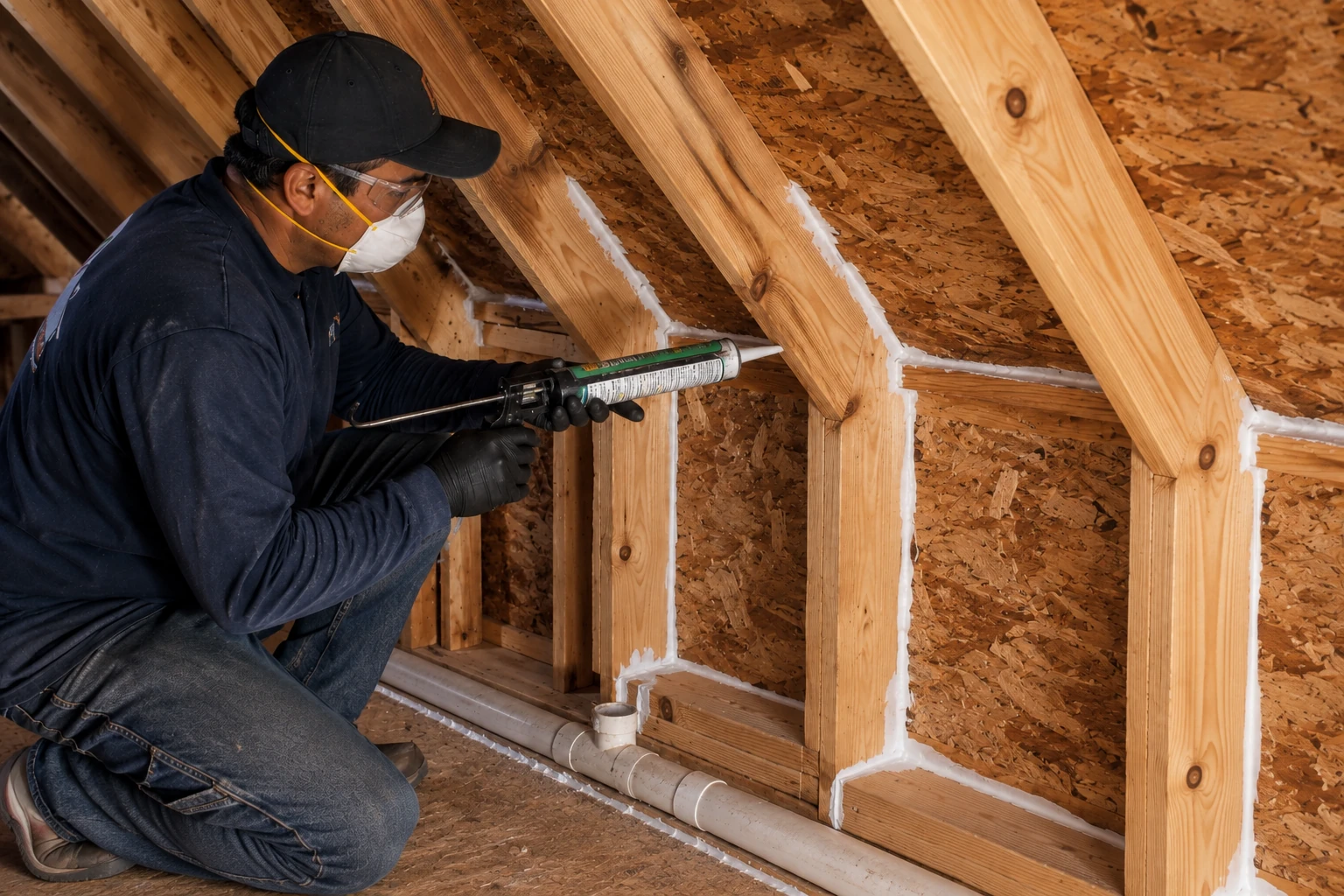
How we finish the seams depends on whether your crawl space is vented, with openings in the foundation that let outside air through. In an unvented crawl space we seal the seams and any openings in the plastic with a sealant made to work with it, because that space is meant to stay closed. In a vented one, lapped and fastened seams do the job. I'll tell you which kind you have.

A liner handles the ground. It doesn't stop air leaking out of your rooms or slow heat through the walls, so if your real complaint is a hot room or a high power bill, the next steps are usually attic air sealing, closing the gaps up there before anything else, and retrofit insulation added to a house that's already built. I'll put them in the order they should happen.

Repair or replace the old liner

If the old plastic is mostly whole and lies flat, patching torn spots and closing gaps can be enough. Once it's shredded, bunched or buried in debris, I'd pull it and start over, because patching a wreck leaves weak spots everywhere.

Liner now, insulation later

You can do the liner alone and come back to insulation another time. If both are on your list, I'd lay the liner first, so anything we add afterward goes in over covered ground instead of bare dirt.

Get a written plan for your crawl space liner

Send the form and we'll reply within one business day to set a time. I come out myself, look under your house and give you a free written estimate with each step in order. There's no obligation to go ahead.

(575) 222-9021

projects@insulationlascruces.com

What Las Cruces rules and weather mean for vapor barrier installation

Residential permits here go through the City of Las Cruces, and I don't assume either way about whether laying plastic in a crawl space needs one. Before any job starts, I check with the office that covers your address. If a permit is needed, we apply for it, set up the inspections and keep you posted on where it stands, so you're not chasing the city yourself.

The state energy code puts Las Cruces in climate zone 3B, the zone it uses for its building energy rules, and county climate data rates Doña Ana County as hot and dry. Neither fact decides how your crawl space should be done. What I find under your house does, and I look the same way on jobs in Chaparral and Anthony.

Why Las Cruces homeowners call us for crawl space vapor barriers

I do the estimate visit myself, and I've run this business since 2023 after years on an old-school boss's crews. He made me tear out anything that wasn't right, so I'll tell you when a crawl space isn't ready for plastic yet instead of laying it over a problem. Our crew does the work, and I run each job and check it before we leave.

New Mexico's Construction Industries Division requires a license for anyone who does or offers construction contracting, and we're licensed and insured. Our work is backed by our satisfaction guarantee. When you're ready, call (575) 222-9021 or use our request form to set up a visit.

Attic air sealing

Closes the gaps around lights, pipes and the attic hatch, so hot attic air stops working its way down into your rooms.

Retrofit insulation

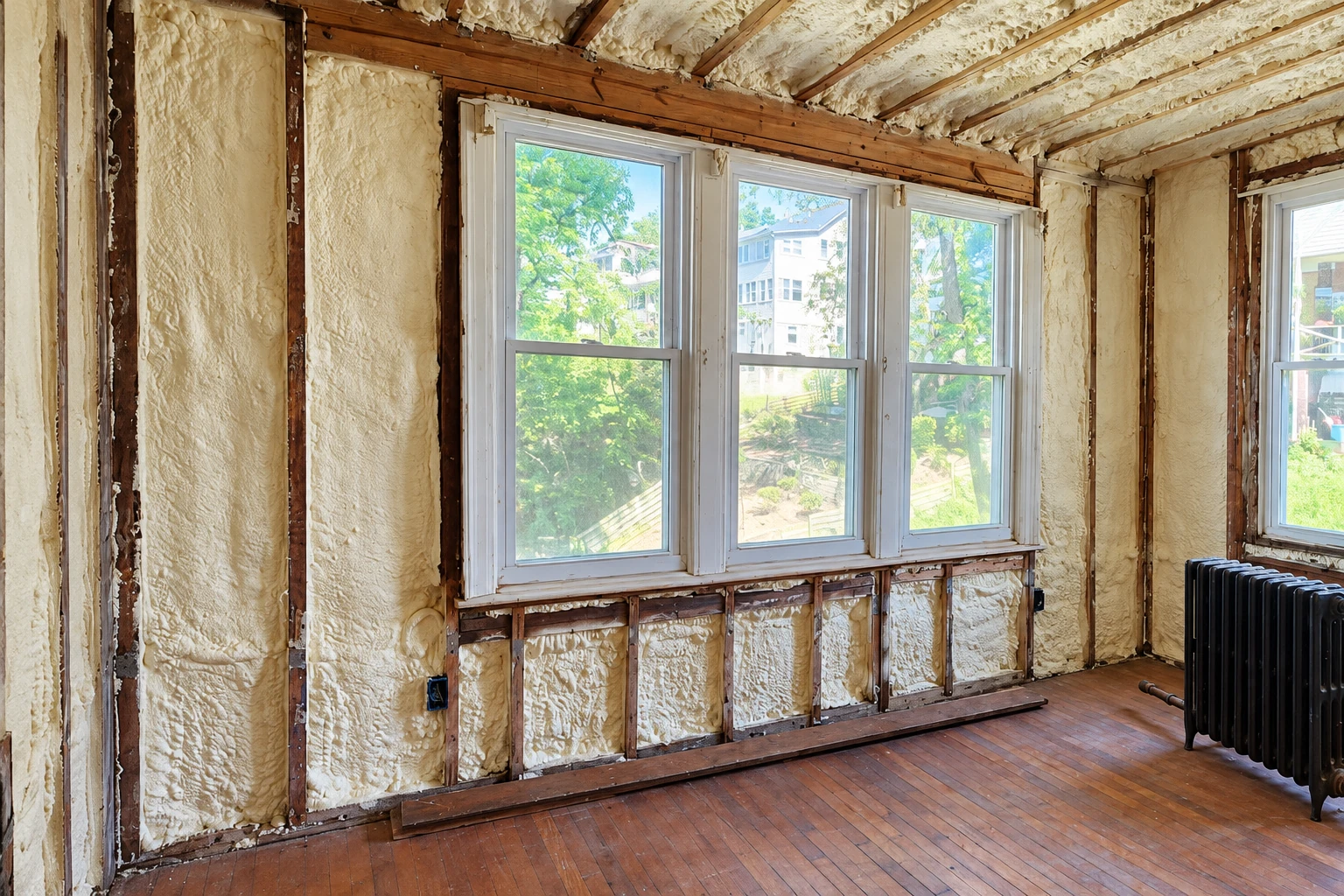
Adds insulation to a house that's already built, for rooms that still run hot or cold after the crawl space is covered.

Where we lay crawl space vapor barriers

We're based in Las Cruces and lay crawl space plastic across the cities around it, including Chaparral, Anthony and Canutillo, Texas. If your city isn't listed here, call and ask.

Vapor barrier questions from Las Cruces homeowners

What does a vapor barrier do in a crawl space?

A vapor barrier covers the ground under your house with plastic, and when it's installed well, it helps keep moisture vapor and soil gases such as radon from coming up out of the dirt. It only does that if it covers the ground completely, so bare strips and gaps let both through.

How much does vapor barrier installation cost in Las Cruces?

I can't give you a fair number until I've been under your house, because crawl spaces vary a lot in size, access and what has to be fixed first. Repairs I find on the visit show up as their own items, so you can see what's the liner and what's fixing.

How thick should a crawl space vapor barrier be?

Federal installer guidance calls for plastic at least 6 mil thick, a mil being a thousandth of an inch. When you're comparing bids, ask each installer what thickness they plan to use and how they'll hold the edges down, since those two answers tell you a lot about the job you'll get.

What do I need to do before a vapor barrier is installed?

Clear out whatever is stored in the crawl space, along with any loose debris, so the plastic can cover the ground completely. That goes for a repair as well as a new liner. If something is too heavy to move, tell me at the estimate and we'll plan around it.

How long does a vapor barrier job take?

Laying the plastic is usually the short part of the job. Most of the wait comes from what has to happen first, like clearing the space, fixing a leak or getting a permit if the job needs one. Once I've seen your crawl space, the estimate shows the order of the work and what we're waiting on.

How do I keep humidity down in my house after a vapor barrier goes in?

Keep an eye on your indoor humidity. One moisture checklist, written for North Carolina homes, suggests keeping it below 60%, checked with a moisture meter or a humidistat, and thinking about a dehumidifier if it stays above that. It's general guidance from a different climate, so check your own readings before you buy anything.

Book a look under your house

Call (575) 222-9021 or use the form, and if you can, tell us whether your crawl space has vents, how you get in and what's stored down there, so I show up ready.

(575) 222-9021Request an estimate