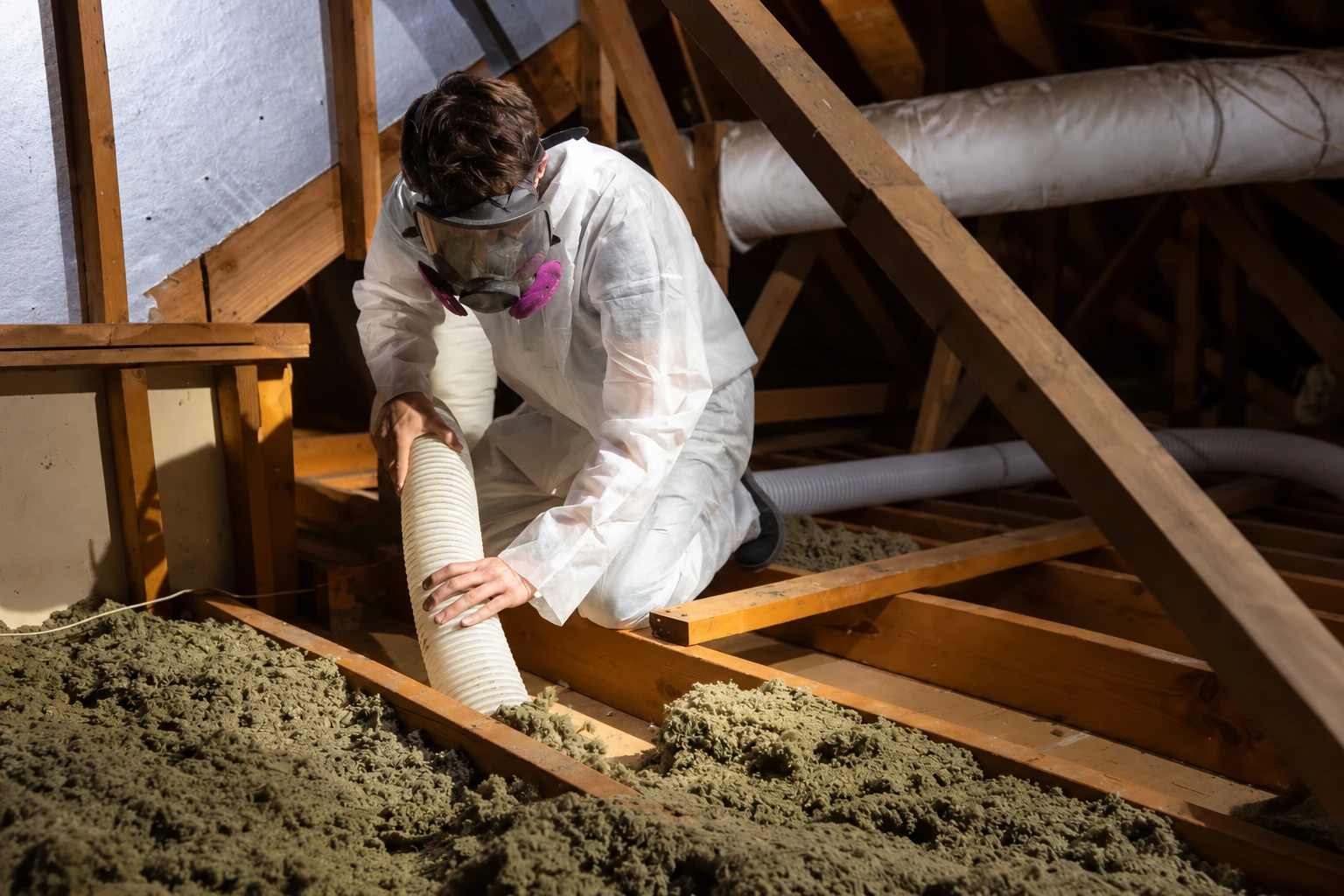
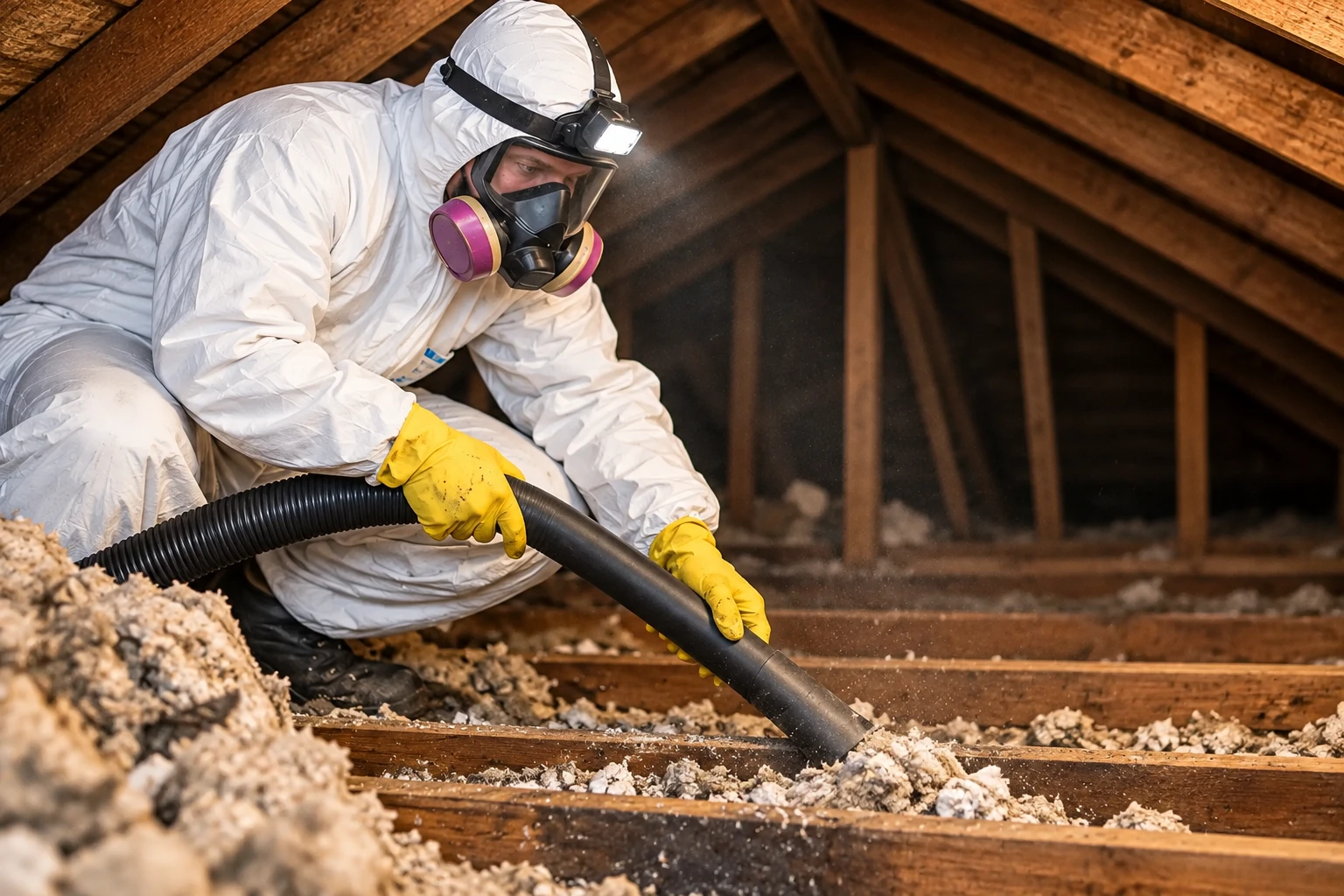
We take out old insulation that's dirty, damp, chewed up by rodents or smells bad. Our crew wears proper protection wherever there are droppings, bags the material, and clears the attic floor down to the framing so I can see what's left. Nothing new goes in until I've looked that space over and anything that needs fixing has been fixed.
If what's up there looks like vermiculite, we stop and leave it alone. It goes to a lab for testing, and if it has to come out, a licensed asbestos removal company does that work instead of us. That's the one kind of insulation we won't touch, and I'll tell you so at the estimate rather than halfway through the job.
What comes after matters as much as the removal. Before new insulation goes into an existing vented attic, guidance says to seal the openings that run through the attic floor, so we close the gaps around pipes, wires, lights and the hatch with sealant, foam or blocking. Insulation laid over open gaps just fights a draft, and you pay for it twice.
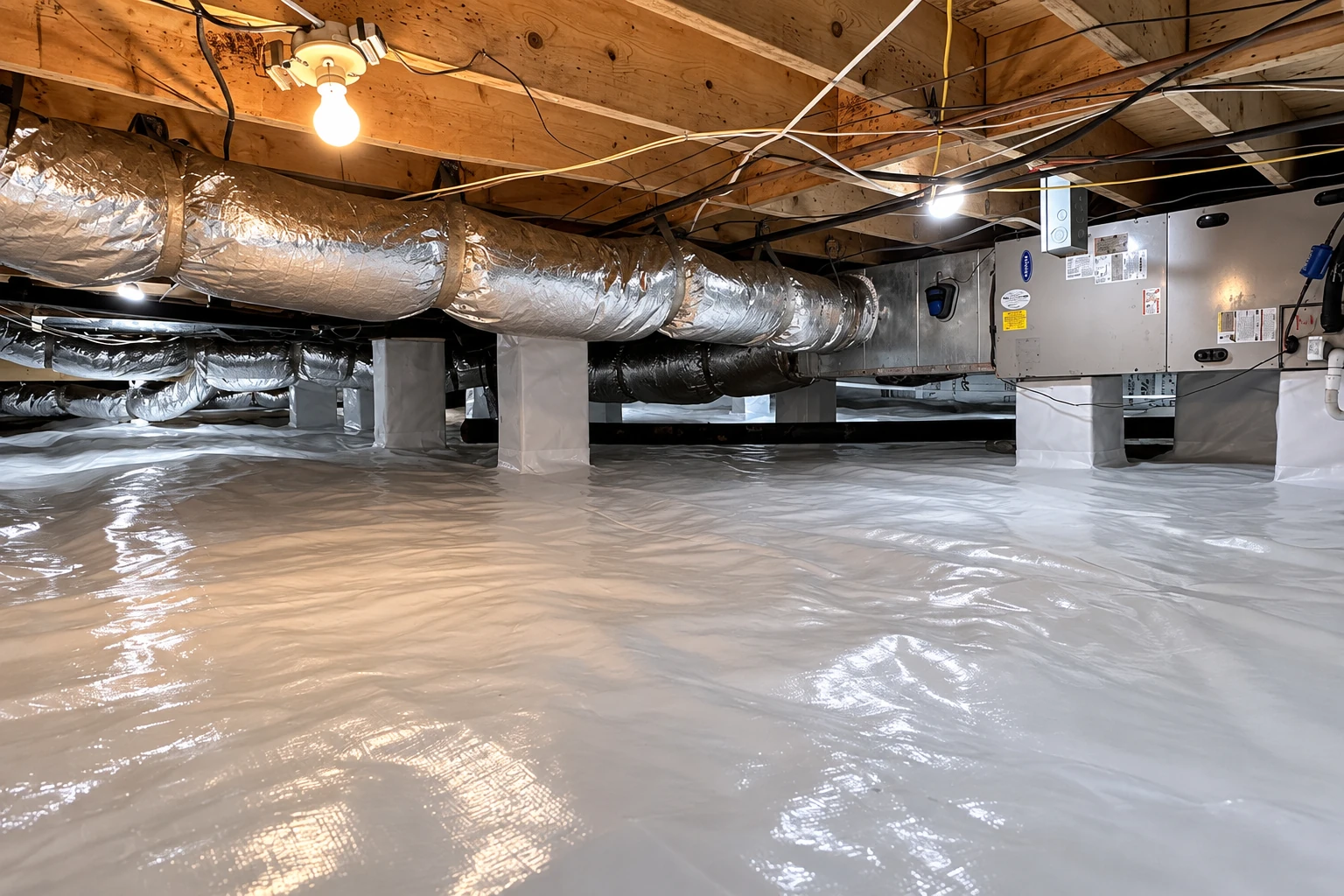
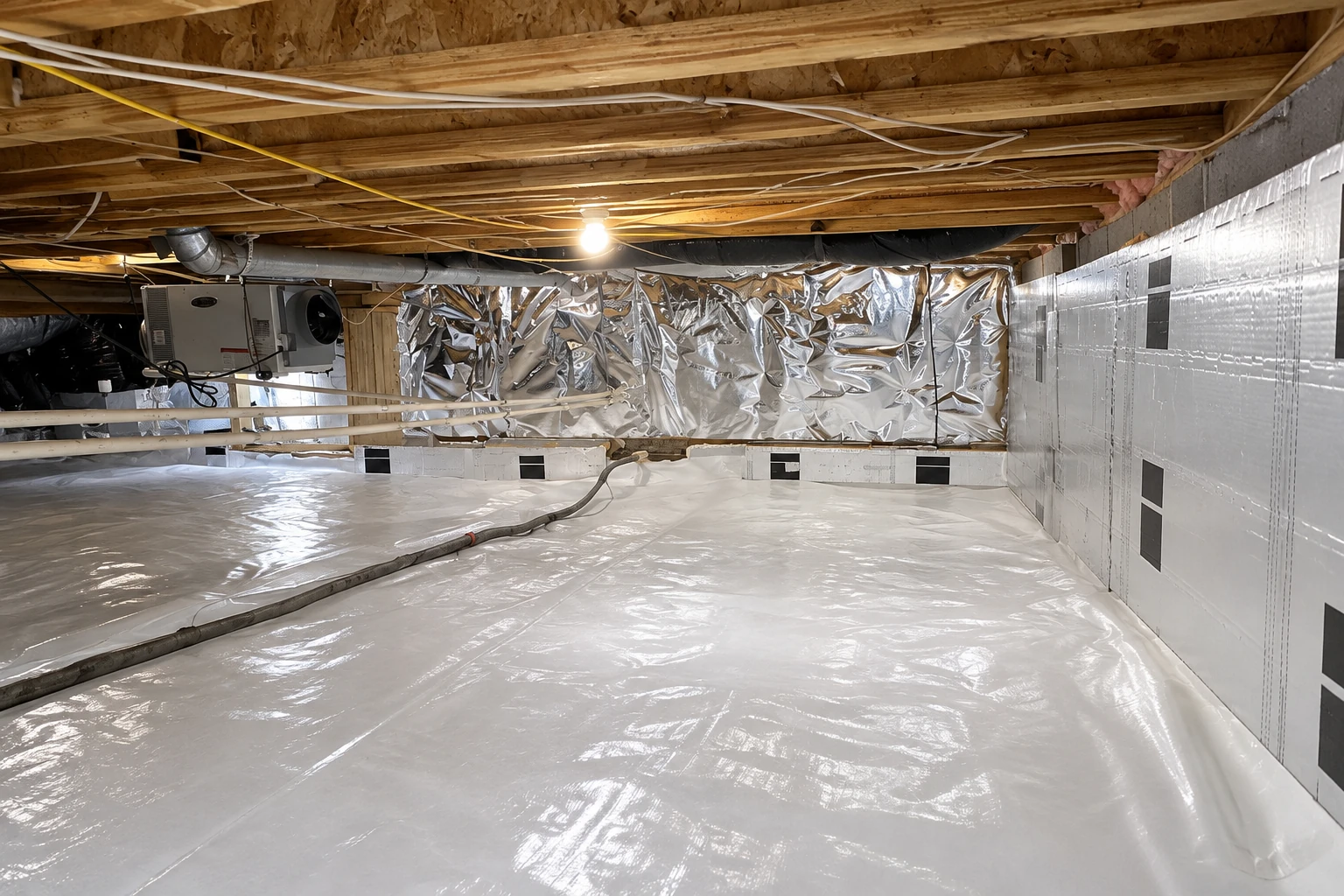
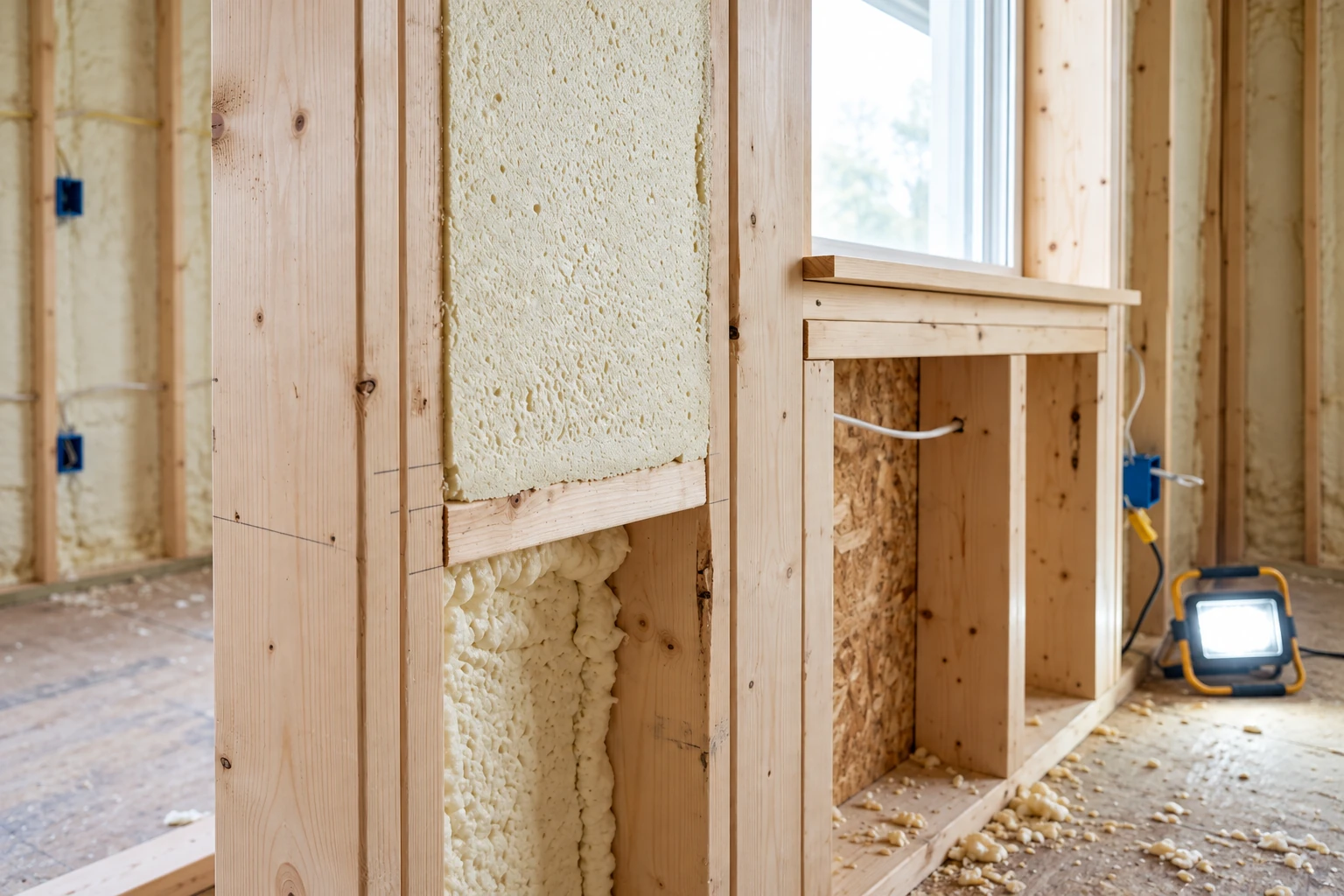
The attic isn't the only place old insulation goes bad. Batts in a crawl space that are sagging, wet or nested in usually come down before new crawl space insulation can go back in properly. And if the rooms below still run hot after the attic is done, wall insulation is the next thing I'd look at.