Prime Las Cruces Spray Foam InsulationPrime Las Cruces Spray Foam Insulation

Closed-cell foam insulation in Las Cruces NM - one layer for heat and moisture

Hot rooms upstairs and a high cooling bill? We spray closed-cell foam as one dense layer that insulates and seals, after planning for moisture.

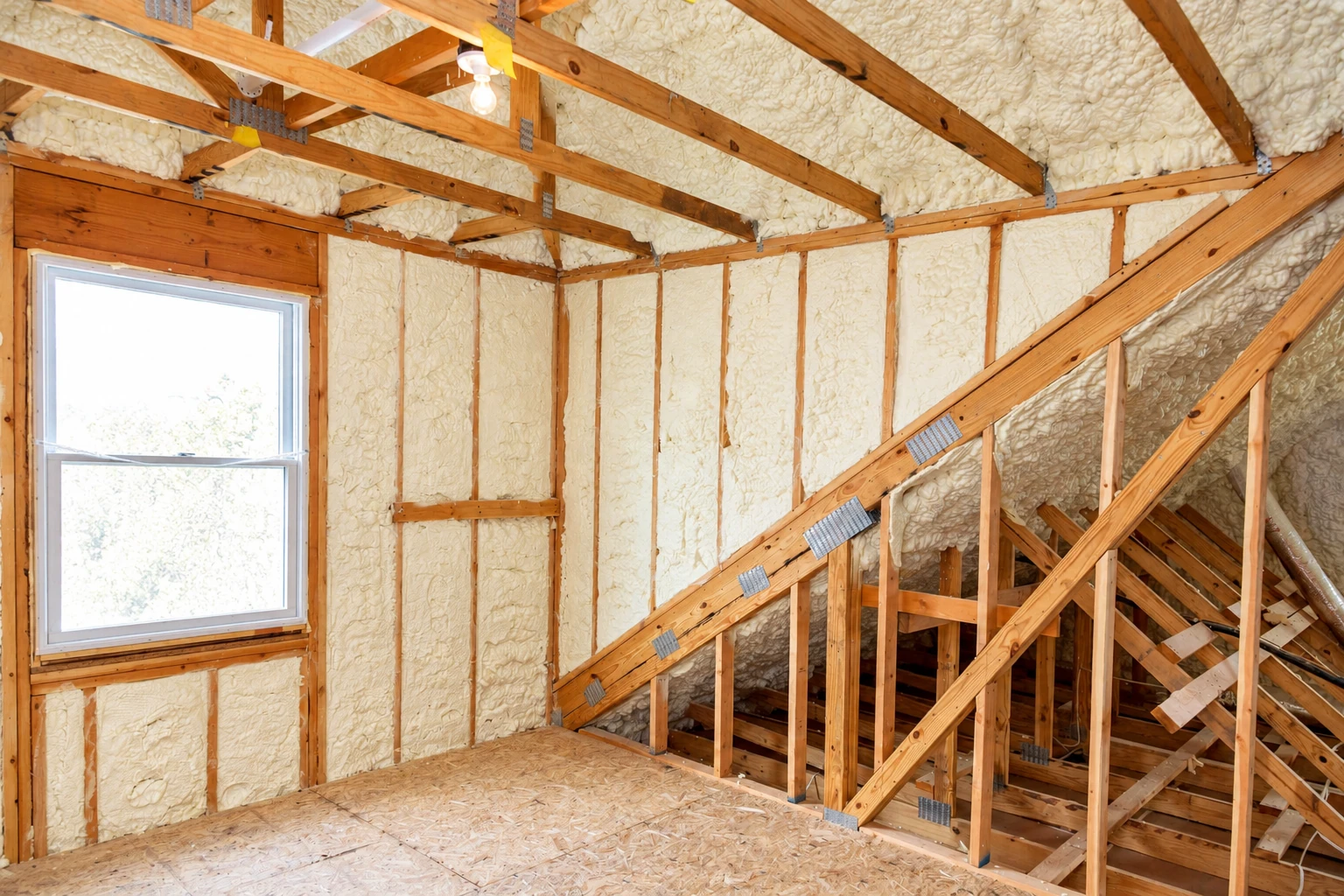
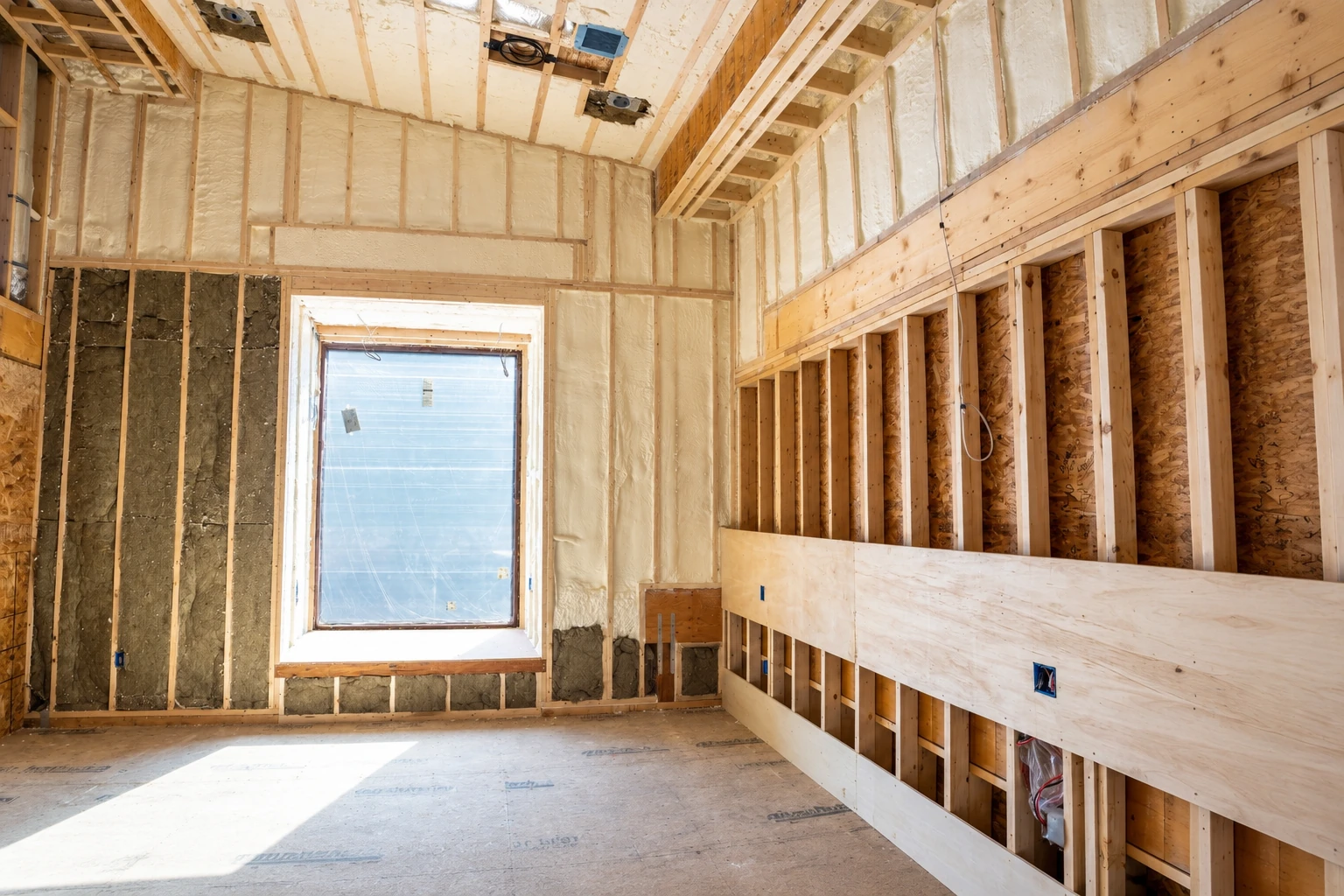
Unfinished room with pale spray foam insulation between wall studs and exposed framing around a window.

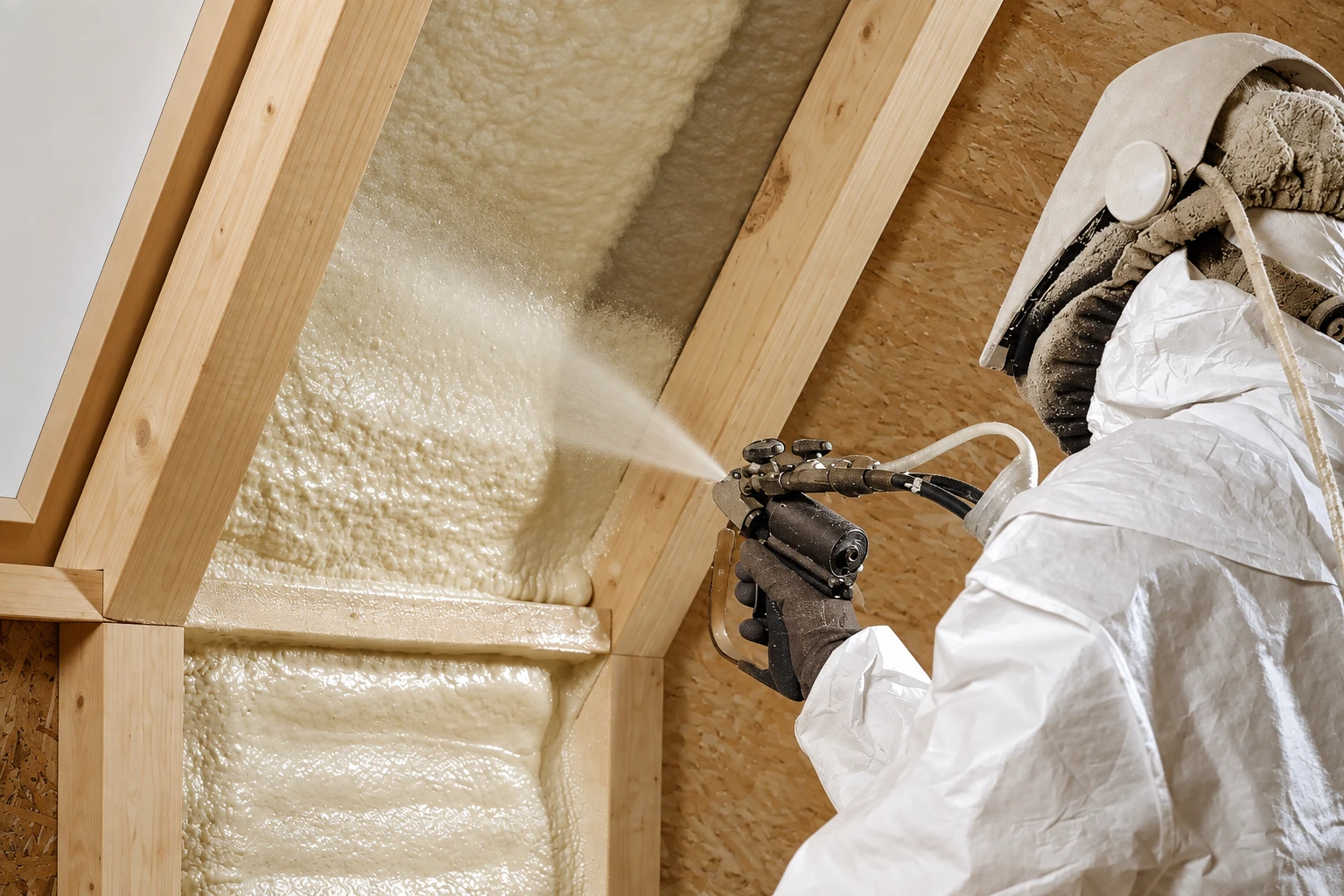
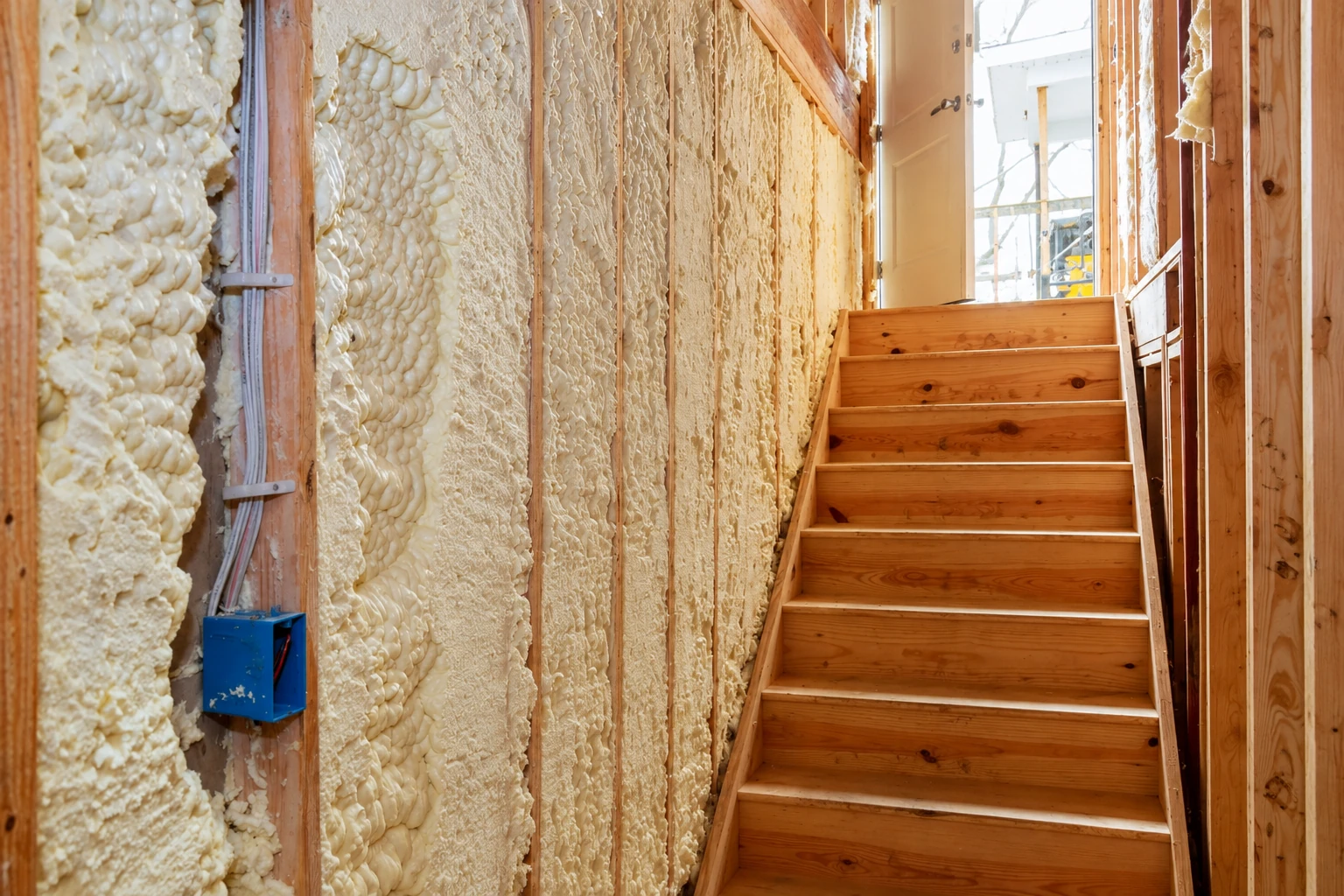
Closed-cell foam insulation is a dense, rigid foam our crew sprays into attics, walls and crawl spaces in Las Cruces, NM. It slows heat and blocks moisture in one layer, which is why it costs more than open-cell foam.

Is closed-cell foam worth the extra money in my attic?

Most people call us because rooms upstairs stay hot, the cooling bill keeps climbing, or nobody has looked in the attic for years. Before I talk about foam, I look at what's up there now. I check how many inches are already down, how old the house is and where the ducts run, because those answers decide whether closed-cell is the right buy or more than you need.

The price moves with the square footage, how thick the foam goes, how hard the space is to reach and whether old insulation or a repair has to come first. The schedule turns on those same repairs, on a permit if the city requires one, and on the time you stay out while the air clears. Your estimate gives you the figure for your own house.
What closed-cell foam does in your house

Three things matter most when you're deciding on closed-cell foam. You need to know what the foam does, how it differs from open-cell, and what has to be fixed before any foam goes in.

Dense foam that also stops vapor

Closed-cell foam goes on wet and sets rigid. Each inch typically rates R-6, the number for how well insulation slows heat. At the thickness it's usually sprayed, moisture vapor essentially can't get through it, so one layer insulates, seals the air and keeps vapor out of the framing.

Closed-cell or open-cell

Open-cell foam is vapor open, so moisture vapor passes through it. Closed-cell handles heat and vapor in the same layer. If you want one layer doing both jobs, closed-cell is the one to pick. If vapor isn't a worry in that spot, open-cell usually makes more sense.

Repairs come before foam

Foam sprayed over a roof leak, bad wiring or soaked insulation full of droppings just hides the problem, and closed-cell is hard to get back off once it sets. So I check the roof deck, the wiring and the old material first, and the estimate says plainly what has to be fixed before we spray.

What happens after you call us about closed-cell foam

Here's how a closed-cell job runs from your first call to the final walk-through, and who you'll be dealing with at each step along the way.

  1. 1

    Call or send a request

    Call (575) 222-9021 or fill out our request form. Tell us what's going on, whether it's hot rooms, a high bill or an attic nobody has checked, and we'll set a time for me to come look.

  2. 2

    Walk the space with me

    I come out myself, look over the attic, walls or crawl space and write down what I see, including anything that needs repair first. Your written estimate lays out each step of the job in order.

  3. 3

    Clear the permit, then spray

    Before work starts I check whether the job needs a permit. If it does, the city says it processes residential permits within 0 to 3 business days, and we keep you posted on where it stands. Then our crew preps and sprays.

  4. 4

    Check the finished work

    I go over every sprayed surface myself before we pack up. I check coverage at the edges and around pipes and the hatch, not just the middle. Then our crew cleans up and we hand the house back to you.

Request an estimate

How we plan a closed-cell foam insulation job

Closed-cell costs more, so I tell you plainly what the extra money buys. Mostly it's moisture control, and in a lot of houses it's the ducts. When the air handler and ducts sit in the attic, foam under the roof deck pulls them inside the insulated part of the house. They lose less heat, and any air leaking from them still heats or cools your rooms.

Sealing an attic this way closes it off from outside air, and a sealed attic needs a way to get rid of moisture. We plan how your attic stays dry before we spray, and that plan is on the estimate. If your ducts aren't up there and moisture isn't the worry, I'll say so and walk you through open-cell foam insulation or a simpler fix.

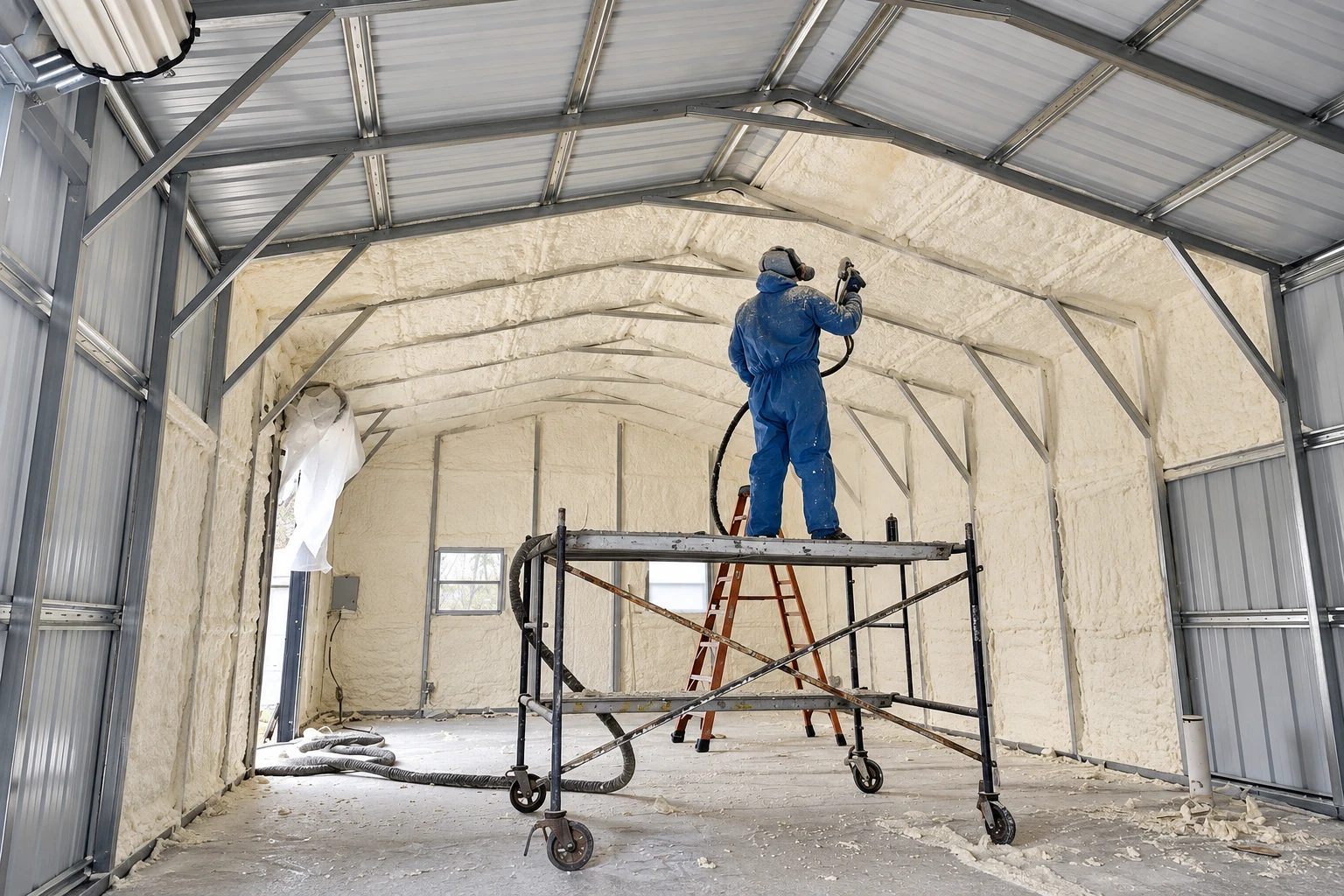
Shops, offices and metal buildings call us too, and we follow the same order there. I look at the building first, then decide where foam earns its cost and what has to be fixed before we spray. Our commercial insulation work covers those jobs.

Foam under the roof deck

This is worth it when the ducts and equipment live in the attic, because they end up inside the insulated house. It costs the most, and the attic needs a plan to stay dry.

Seal gaps and top up fill

If the ducts aren't in the attic, I usually recommend air sealing, which means closing the gaps around lights, pipes and the hatch. Then we top up the loose fill on the attic floor. It usually costs less and does the job.

Get a written closed-cell foam estimate for your attic

We reply within one business day to set a time for me to come out. The on-site estimate is free and comes with no obligation. You get each step written out, including anything that needs fixing before we spray.

(575) 222-9021

projects@insulationlascruces.com

Closed-cell foam insulation permits and licensing in Las Cruces

In Las Cruces, the city issues building permits. Applications, inspection requests and payments all go through its online portal. Whether a foam job needs a permit depends on the work, so I check with the office that covers your address before we start. If you have permit questions of your own, the city takes them at inspectionrequest@lascruces.gov or 575-528-3059.

New Mexico requires a license from CID, the state's construction licensing office, for anyone doing or offering construction contracting. Ask whoever sprays your foam whether they hold one, and check it with CID, which has a Las Cruces office open weekdays. Across the city and nearby in Chaparral and Anthony, most of our calls are for hot rooms, high cooling bills and attics nobody has checked in years.

Why people in Las Cruces call us for closed-cell foam

I learned this trade under an old-school boss who made me tear out and redo anything that wasn't right. I started this business in 2023 after years on his crews. I still do every estimate visit myself. Our crew does the spraying, and I run each job and check it before we leave.

We're licensed and insured. Every job is backed by our satisfaction guarantee. I'd rather tell you a job isn't ready yet than spray foam over a problem that should have been fixed first. To get started, call (575) 222-9021 or send us a request.

Open-cell foam insulation

When vapor control isn't needed in that spot, open-cell is a lighter foam that still seals air and costs less to install.

Commercial insulation

Shops, offices and metal buildings have their own insulation needs, and we look them over just as closely before we quote.

Where we spray closed-cell foam

We're based in Las Cruces and work across the cities around it, including Chaparral, Anthony and Canutillo, Texas. Pick your city below to see how we work there.

Questions about closed-cell spray foam

How much does closed-cell spray foam insulation cost in Las Cruces?

A national price guide puts installed closed-cell spray foam at about $3 to $5 per square foot across the US. That's the market range, not our price. Your attic's cost depends on its size, how thick the foam goes and what has to be fixed first, and your estimate gives you that figure.

Why does closed-cell foam cost more than open-cell foam?

Closed-cell expands less when it's sprayed, so it takes more material to fill the same space. That extra material is most of the price gap. It's also why I only recommend closed-cell when its moisture control or the ducts in your attic make it worth paying for.

When can my family and pets go back in the house after spray foam?

You come back when we give you the re-entry time, the point the air is clear enough to return, and that time depends on the foam we use. Industry guidance says ventilating the work area during and after spraying helps lower airborne chemicals and helps set that time. Ask us about it before spray day.

How do I get my house ready for spray foam insulation?

Clear a path to the attic hatch and move anything stored in the attic or near the work area, because our crew needs room to spray. I'll tell you at the estimate visit what else to move. Plan where you, the kids and the pets will be while the foam goes in and the air clears.

Does spray foam in the attic need a fire covering?

Some foams do and some don't. Building guidance says to cover spray foam with a thermal or ignition barrier, such as a coating or gypsum board, when the foam or the code calls for it. We confirm what the foam we're using requires and put any covering on the estimate.

Call about closed-cell foam for your attic

Have your attic's rough square footage, where your ducts run and your address handy when you call (575) 222-9021, so the first call covers what decides whether foam makes sense.

(575) 222-9021Request an estimate